Anatomy of the Lightshow - Gloving Tutorial | Glow LEDs
Anatomy of the Lightshow
Level: Intermediate
In-Depth Tutorial
Theory
Articles
The Anatomy of a Lightshow
A good lightshow looks effortless. It isn't. Underneath the flow, there are eight things happening at once: moves, space, music, light, gear, style, audience, and structure. Breaking them apart makes it easier to see what you're actually working on next time you practice.
1. The foundation: gloving moves
Every move falls into one of three broad families:
Flow: smooth, continuous motion.
Liquid: fluid movement that reads like water or waves
Whips: fast, sweeping motions that leave trails of light
Finger rolls: sequenced finger movement that creates a rolling effect
Tech: precise, controlled motion.
Tutting: geometric shapes built with hands and arms
Digits: isolated, precise finger control
Isolations: one part of the hand or arm moves while the rest stays still
Conceptual: motion built around an idea.
Conjuring: makes it look like you're physically manipulating the light
Storytelling: uses hand movement to narrate something
Morphing: one shape seamlessly becomes another
Most glovers lean toward one family but borrow from all three once they get comfortable.
2. The canvas: using your space
Where you put your hands matters as much as how you move them. A show that stays at chest height in one spot reads flat, even with great technique.
Levels: moving from floor height to above the head
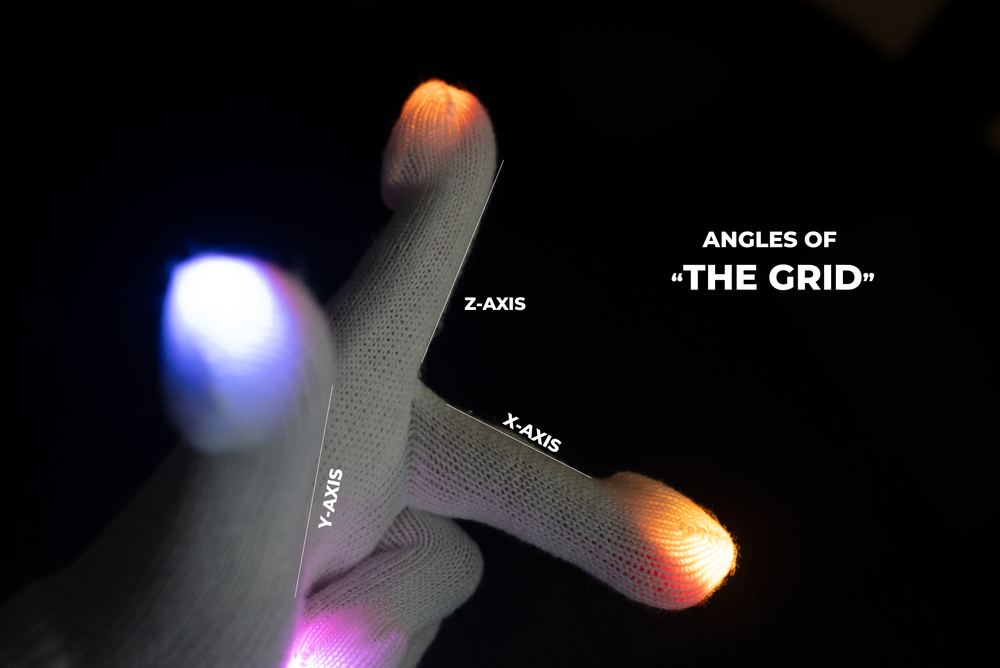
Depth: bringing hands closer to or further from the viewer for a 3D effect
Width: using the full reach of your arms
Finger spacing: how far apart your fingers sit changes the pattern the light traces
3. The rhythm: musicality
A lightshow that isn't listening to the music isn't really a lightshow. It's just moving hands. The connection to the song is what makes it land.
Beat matching: syncing movement to the rhythm
Phrasing: structuring a sequence to match a musical phrase, not just a beat
Accents: hitting specific movements harder to underline a moment in the track
Genre adaptation: a trap set and a liquid dubstep set don't call for the same moves
4. The palette: light manipulation
This is the part that separates gloving from every other flow art: you're not just moving, you're painting with light while you do it.
Color selection: picking colors that work together and match the mood
Brightness variation: dialing intensity up or down for effect
Strobe patterns: flashing patterns for a punchier, more dynamic look
Blending: overlapping lights to create new colors and effects
5. The tools: equipment
Your gear shapes what's possible, so knowing how to use it is its own skill.
Glove mechanics: the stretch and fit of the glove itself affects how smooth your movement looks
Diffuser effects: different diffuser shapes change how the light reads mid-move
Palm lights: extra lights in the palm add another visual layer
Chip modes: switching modes mid-performance keeps the visual language changing
6. The expression: personal style
Two glovers can know the exact same moves and look completely different performing them. That gap is style: your signature variations, how much emotion you let show, and the specific way you combine techniques nobody else combines quite that way.
7. The interaction: connecting with the audience
A lightshow happens to someone, not just in front of them. Eye contact keeps that connection alive. So does reading the room: how close you get, how you adjust when someone reacts (or doesn't), whether you pull back or lean in.
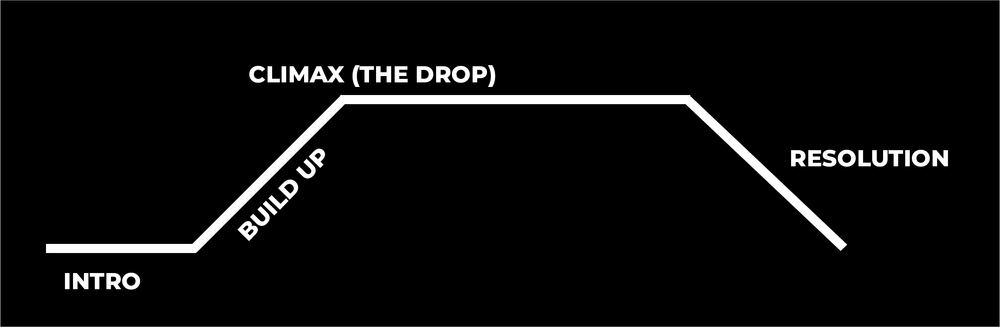
8. The arc: structuring a show
Most good lightshows follow a shape, even loosely:
Introduction: opening moves that set the tone
Build-up: complexity or intensity increases
Climax: the most intense moment, usually timed to a peak in the music
Resolution: winding down, often with slower, smoother movement
Putting it together
None of these eight pieces work in isolation. A technically perfect move with no musicality falls flat, and great musicality with no spatial awareness looks cramped. The magic is in how one glover combines all eight into something nobody else does quite the same way.
Next time you watch or give a lightshow, try picking out just one or two of these elements. It's a different way to see the same show.