Gloving Etiquette: The Unwritten Rules of the Lightshow Community
Gloving is as much a community as it is an art form, and like most communities, it runs on a handful of unwritten rules. Nobody hands these to you when you buy your first pair of gloves, but picking them up early means you'll fit right in wherever the lights come out: a rave, a festival, or your local meetup.
Respect the art and the artist
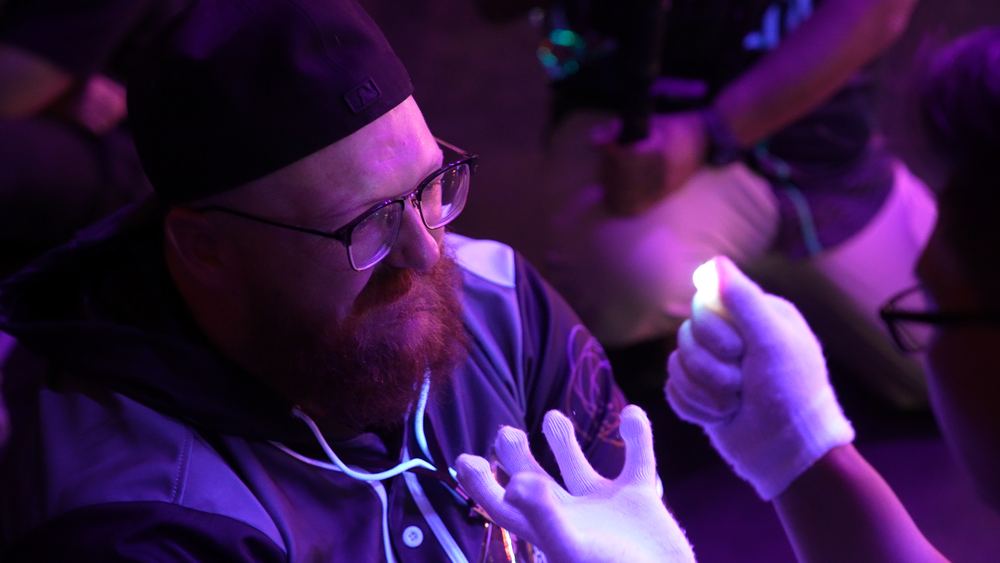
A lightshow is somebody's practice, creativity, and time, performed just for you. When a glover starts a show, give them your full attention: no scrolling your phone, no glancing around to see what's next. They're sharing something they've worked on, and the least you can do is actually watch it.
That respect doesn't scale with skill level. A beginner's first clean transition deserves the same attention as a five-year veteran's signature combo. Everyone was new once, and everyone remembers who watched and who didn't.
Always ask first
Before you start a show, ask. "Want a lightshow?" is all it takes. Nobody expects a formal request. If someone says no, let it go. You don't need a reason, and pushing for one just makes it awkward.
The same rule applies to double shows, where two glovers perform together. Don't jump into someone else's show uninvited. Get an actual yes from the other glover, not just an assumption that they're open to it.
Practice smart, perform present
Most of your practice time should happen with the lights off. It sounds backwards, but running drills glove-on, lights-off forces you to focus on the technique itself instead of getting distracted by the glow, and it saves your batteries for when you're actually giving a show.
When the lights are on for someone, sync your movement to the music. The goal is to make it look like the song is running through your hands, not like you're doing a routine that happens to have music playing behind it. And you don't need to be under the influence of anything to enjoy or give a good lightshow. It hits just as hard sober.
Get in the flow of the community
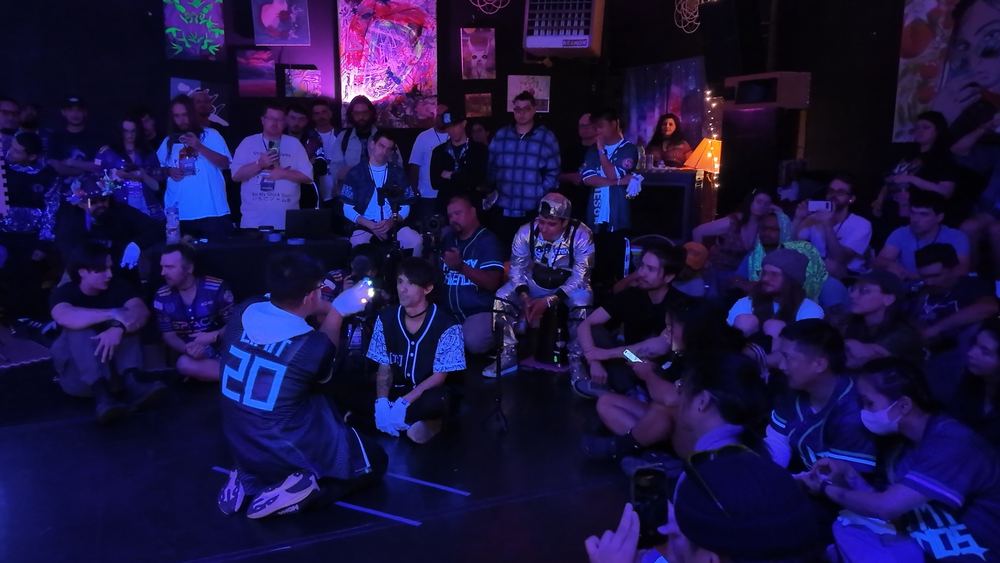
Trade as many shows as you can, both giving and getting. That exchange is basically how the whole scene levels up: you pick up ideas from other people's styles, they pick up yours, and everyone gets better faster than they would practicing alone.
If you spot a glover out in the wild, ask them for a show. Most people who do this love sharing it. A stranger asking is a normal, welcome thing here, not an imposition. Just read the room first. If two glovers are already mid-trade, wait until they're done before jumping in with your own request.
Growth takes patience
Improvement in gloving tends to happen faster than people expect, but only if you give yourself room to be bad at it first. Learn one move at a time and get it smooth before stacking on the next one. Trying to rush five techniques at once usually means none of them land clean.
Beyond the technical side, let your own personality come through in how you flow. Gloving isn't about copying someone else's style perfectly. It's self-expression with lights strapped to your fingers.
Bring a good attitude
Have fun. That's really the whole job. Don't stress about giving a "bad" show or worry you're not skilled enough yet. If you're enjoying yourself, your audience will feel it too. A relaxed, into-it attitude carries further than clean technique on its own.
Take care of your gear and your space
Clean gloves and working lights aren't just about looking good. They're a basic sign of respect for the art and for whoever you're about to show it to. Nobody wants a lightshow from a microlight that's flickering out mid-song.
A few things worth checking before you glove in a crowd:
Fresh batteries: a light dying mid-show kills the momentum for both of you
Room to move: make sure you've got space so you're not clipping a neighbor's drink or face
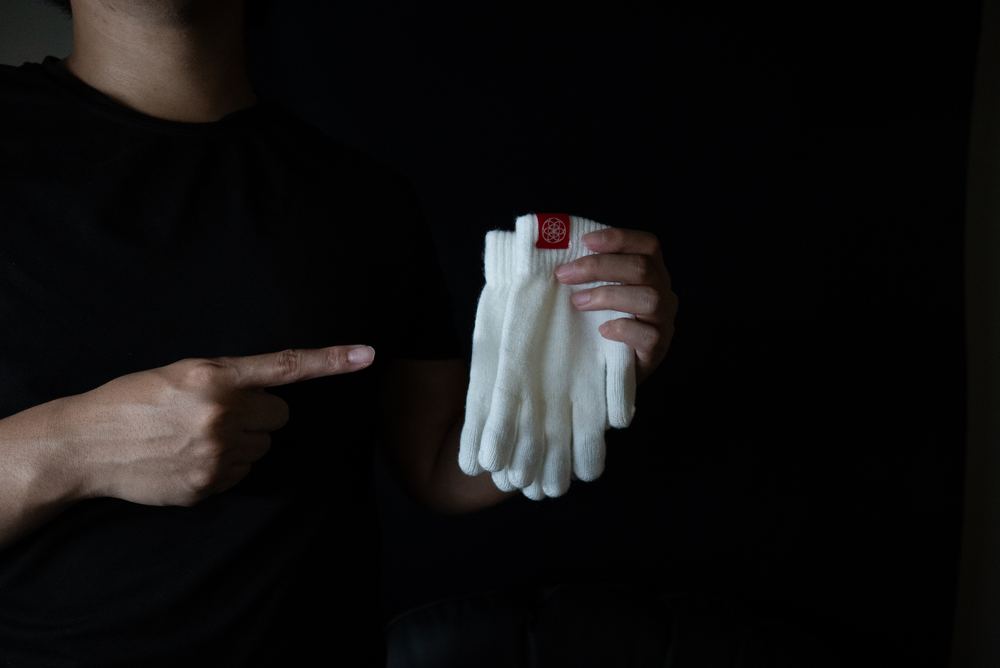
Clean gear: grimy gloves or a cloudy diffuser show, and they're an easy fix (see our glove care guide for the full rundown)
Pass it on
If someone's curious, teach them. Show a basic move, explain how you got to your current style. That's literally how the community grows, and it's probably how you learned in the first place.
Use your own flow to inspire people the right way: toward safe, respectful participation, not toward showing off in a way that ignores everything above.
Know the rules of the room
Not every venue is glove-friendly, and it's on you to know that going in. Some events restrict gloving entirely or ask that it stay off the main floor. Follow whatever the rules are, no exceptions.
When gloving is allowed, how you carry yourself reflects on the whole community, not just you. Be the kind of ambassador that keeps the door open for the next glover who walks in after you.
Bottom line
Gloving etiquette really comes down to one thing: treat the exchange like it matters, because to whoever's on the other end of it, it does. Ask first, pay attention, and don't overthink the rest. The community runs on people showing up for each other with good intentions and charged batteries.