History of Gloving: Origins and Culture | Glow LEDs
Gloving History
Level: Beginner
In-Depth Tutorial
Theory
Articles
Tutorial by Puppet
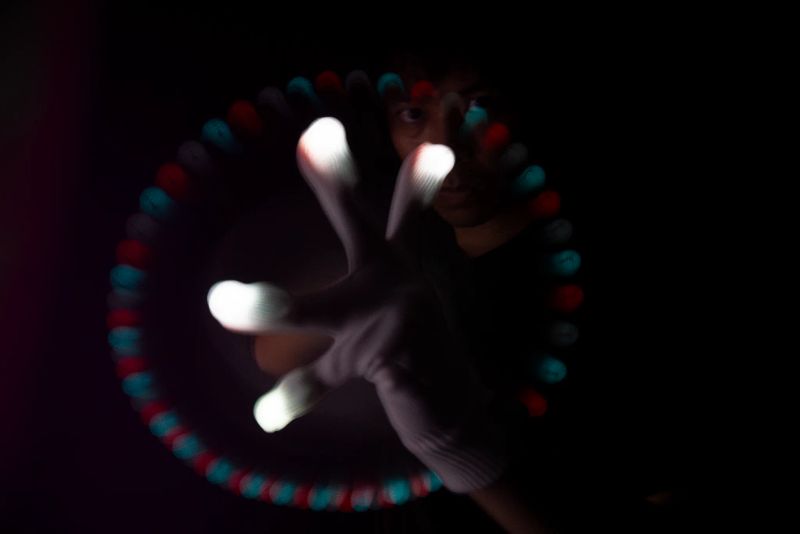
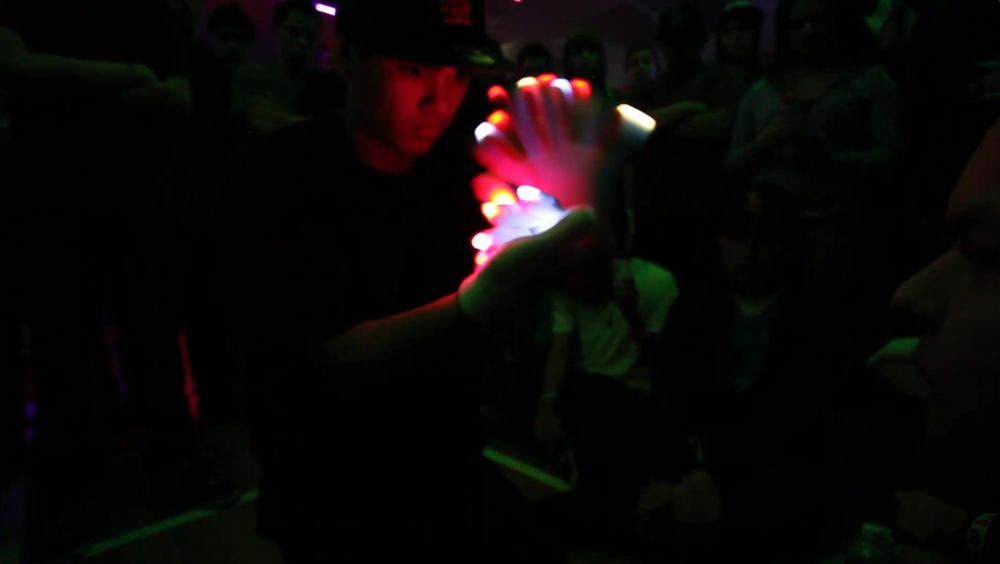
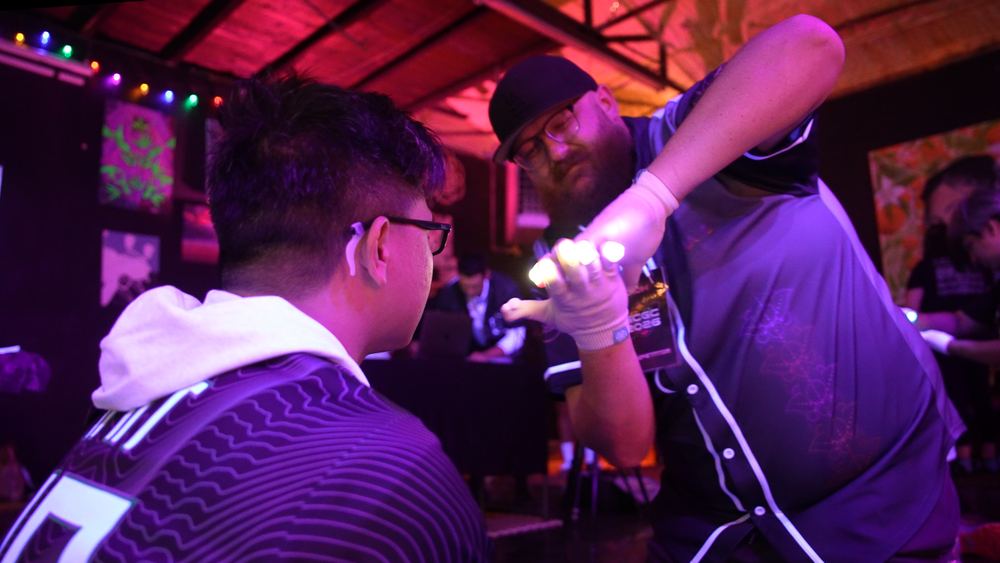
Gloving emerged from rave and EDM festival culture in the early 2000s. Performers used finger-mounted LED microlights to craft flowing light shows for crowds at electronic music events. What started as informal rave expression has grown into a recognized competitive art form with dedicated communities worldwide.
A Brief History of Gloving
Gloving is dance, light, and technology in one motion, but it didn't start out that way. It grew out of rave culture, one experiment at a time, and it's still evolving.
Late 1990s to early 2000s: the precursors
Ravers have always looked for ways to make light part of the dance. Back then that meant glow sticks, twirled and swung to leave trails of light in the dark, and, for some dancers, plain white gloves that lit up under the blacklights common at raves.
Neither one was gloving yet. But both planted the idea: what if the light moved with your hands instead of around them?
Frequently Asked Questions
When did gloving start?
Gloving originated in rave culture in the late 1990s and early 2000s, gaining widespread popularity at EDM festivals and electronic music events across the United States.
Where did gloving come from?
Gloving developed in the rave and electronic dance music scene, particularly in Southern California, where festival culture gave rise to the art form and its earliest practitioners.
Who are the pioneers of gloving?
Early gloving pioneers came from the EDM festival circuit, helping define the foundational moves, styles, and culture that shaped modern gloving as a recognized performance art.
How has gloving evolved over time?
Gloving has grown from informal rave performances into a competitive art form with organized events, dedicated online communities, and purpose-built LED microlight technology from brands like Glow LEDs.
What is the connection between gloving and rave culture?
Gloving grew directly out of rave and EDM festival culture, where performers used LED finger lights to enhance the visual experience of electronic music events for crowds and viewers alike.
Early to mid-2000s: gloving is born
That idea became gloving once LED technology got small and cheap enough to strap onto a fingertip. Ravers started attaching tiny LED lights directly to their gloves, one per finger, and gloving as we know it took shape.
Around the same time, glovers started borrowing from other dance styles, especially liquid dancing and tutting, to build out a real movement vocabulary. Southern California is where the first gloving communities formed, trading moves and figuring out the art form together.
Late 2000s to early 2010s: gloving takes off
YouTube changed everything. Glovers like Hermes and Gummy started posting lightshows and tutorials, and suddenly people outside Southern California could learn to glove without ever meeting another glover in person.
The gear caught up too. EmazingLights launched in 2010 as the first company built specifically around gloving products. The first competitions followed soon after, giving glovers a real stage to show what they could do.
Early to mid-2010s: the renaissance
Microlights got a serious upgrade in this stretch, moving from a handful of fixed modes to programmable patterns and colors. Gloving spread past the U.S., and the style itself started splitting into distinct flavors, from flow-focused performances to sharper, more technical ones.
Mid to late 2010s: pushback and adaptation
Not every era was smooth sailing. Some major festivals, including ones run by Insomniac Events, banned gloving over its association with drug culture. That stung for a community that saw itself as artists, not the stereotype.
The response was to lean harder into the art itself: glovers pushed to show gloving as genuine performance and expression, not just a rave prop. Meanwhile the hardware kept moving, with motion-reactive microlights and open-source hardware opening up new options for anyone building their own setup.
2020 and beyond: a new era
COVID hit gloving hard. No festivals, no events, no in-person lightshows for a long stretch. Glovers adapted by moving online, running virtual showcases and video competitions, and practicing a lot more at home while they waited things out.
When festivals came back, so did the scene. Companies like Glow LEDs have kept putting new gear in glovers' hands since, and gloving itself has started turning up in music videos and mainstream media, the kind of recognition the community has been chasing for two decades.
Where gloving is headed
Nobody knows exactly where LED tech, motion sensing, or maybe someday augmented reality will take gloving next. What's clearer is the direction: more glovers pushing for the art form to be recognized alongside other flow arts, and new styles showing up as the community keeps growing worldwide.
The history of gloving isn't finished. Every glover working out a new move for their next lightshow is still adding to it.