Maintaining Your Glove Set: Care and Troubleshooting | Glow LEDs
Maintaining Your Glove Set: Care and Troubleshooting
Level: Beginner
In-Depth Tutorial
Theory
Articles
Maintaining Your Glove Set: Care and Troubleshooting
Well-maintained gear lasts longer and looks better every time you turn the lights on. This guide covers how to actually take care of your gloves, microlights, and diffusers, plus what to do when something stops working right.
Caring for your gloves
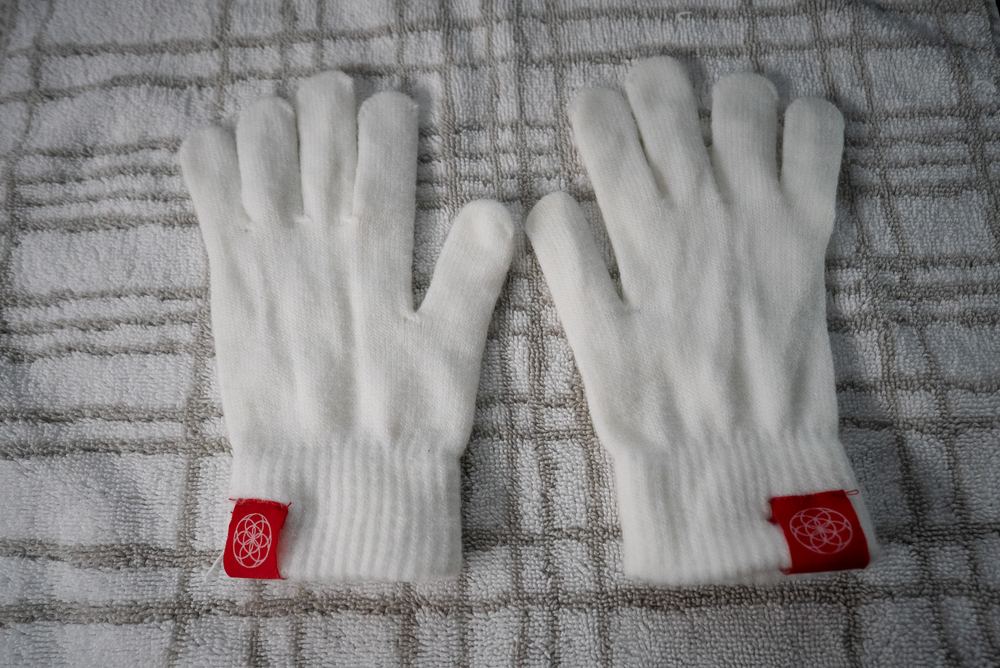
Wash gloves by hand with mild soap and cool water. Skip the washing machine, since the agitation and heat wear down the fabric fast. Squeeze out the excess water gently after; wringing stretches the fibers out of shape. Let them air dry flat on a towel, away from direct sun or any heat source, both of which degrade the material over time.
When you're not wearing them, store gloves flat or hanging so they keep their shape, still out of sunlight and heat. And if you glove often, it's worth having more than one pair in rotation. Splitting the wear across sets stretches the life of each one considerably.
Caring for your microlights
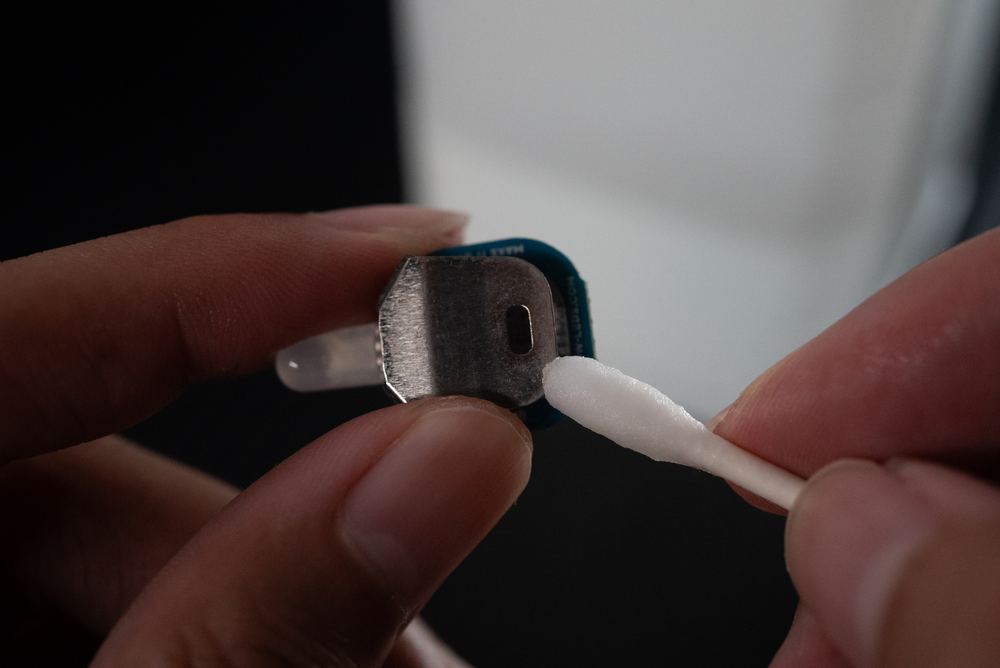
Handle microlights with clean, dry hands, and try not to drop them or knock them around. The internals don't love impact. For everyday grime, a soft, slightly damp cloth is enough; if you're dealing with something stuck on, a cotton swab with isopropyl alcohol will get it off without damaging the housing.
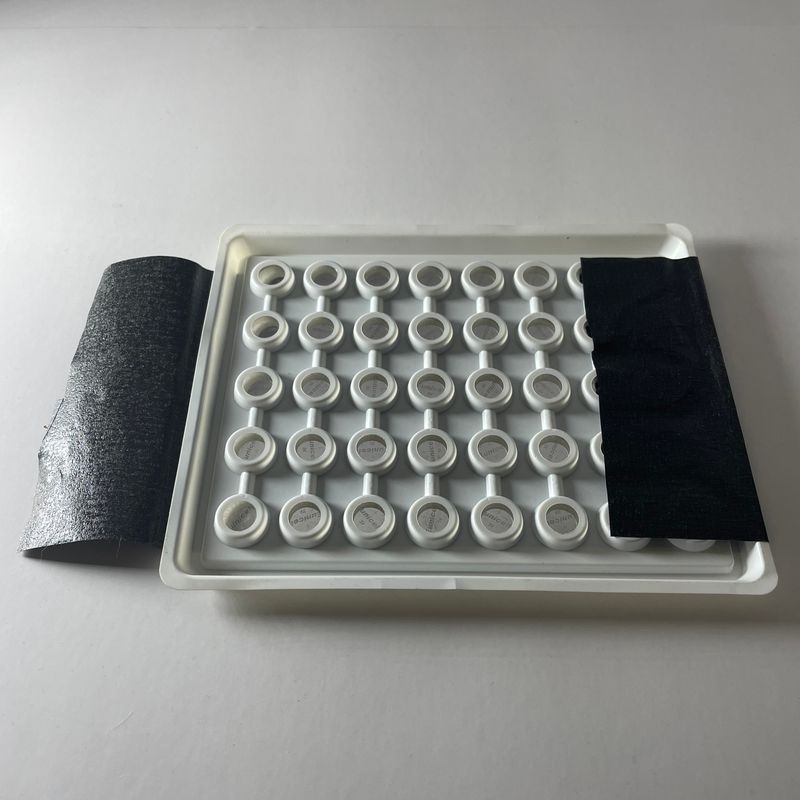
Batteries are the other thing to stay on top of. Pull them out if a light's going into storage for a while, and check the contacts for corrosion regularly. Catching it early is a lot easier than dealing with a light that won't turn on later. When you're not using them, keep microlights in a cool, dry place, ideally in a dedicated case rather than loose in a bag.
Caring for diffusers and accessories
Diffusers just need a wash with mild soap and water, dried completely before you use or store them. Trapped moisture is what causes cloudiness down the line. Keep them in a clean, dry container when they're not in use, and don't pile anything heavy on top; diffusers crack more easily than people expect.
Troubleshooting common problems
Gloves
Stretched-out fingertips usually come from overuse or from being balled up in a bag instead of stored properly. If it's early, a bit of fabric glue on the tip can reinforce it; once the fabric's really gone, it's time to replace the glove. Holes and tears are similar: small ones can be darned and kept in service, but a bigger tear from a sharp accessory or general wear usually means the glove's done.
Microlights
Won't turn on? Start with the obvious: dead batteries or a loose connection. Swap the batteries, double-check they're seated the right way round, and clean the contact points if it's still not cooperating.
Lighting up inconsistently? That's almost always a loose connection or a software hiccup. Check the connections first, and if that's not it, run through the reset process in your microlight's manual.
Stuck on one mode? Usually a stuck button or a software issue rather than anything mechanical. Clean around the button first (dirt and grime build up there more than you'd think) and reset if that doesn't fix it.
Colors looking off? Could be LED degradation or a programming glitch. Try reprogramming the colors first; if the light's actually failing, reprogramming won't stick and it's time to think about replacing it.
Diffusers
A cracked or broken diffuser needs replacing outright. No real fix for that one, though it's worth considering a more durable material next time around. Cloudy or discolored diffusers are usually UV exposure or a chemical reaction with the glove material underneath; a thorough clean sometimes brings them back, but if the cloudiness persists, replace them before they start dulling your show.
Preventive maintenance tips
A little regular upkeep goes further than fixing problems after they show up:
Check your whole set before and after each use
Store gear in a dedicated case or organizer instead of tossed in a bag
Avoid aggressive movements that put unnecessary stress on your equipment
Keep microlight firmware updated if your model supports it
Buy quality components up front: cheap parts tend to fail faster and cost more over time
When to replace
Gloves: once the fabric's noticeably thinning or holes keep showing up faster than you can fix them
Microlights: once performance stays inconsistent even after you've worked through the troubleshooting steps above
Diffusers: once cracks start affecting the light diffusion or risk damaging the microlight underneath
Bottom line
Good maintenance is mostly just paying attention: catching a loose connection before it becomes a dead light, or a small tear before it becomes a torn-through fingertip. Keep at it, and your gear will keep up with you.